During a life transition, choose jewelry that can move with you instead of trying to define who you must become. The right piece should work with the life you have now, leave room for its meaning to change, and be practical enough to wear while the rest of your routine is still taking shape.
You do not need an object that promises certainty. You need one that still feels honest while the answer is unfinished.
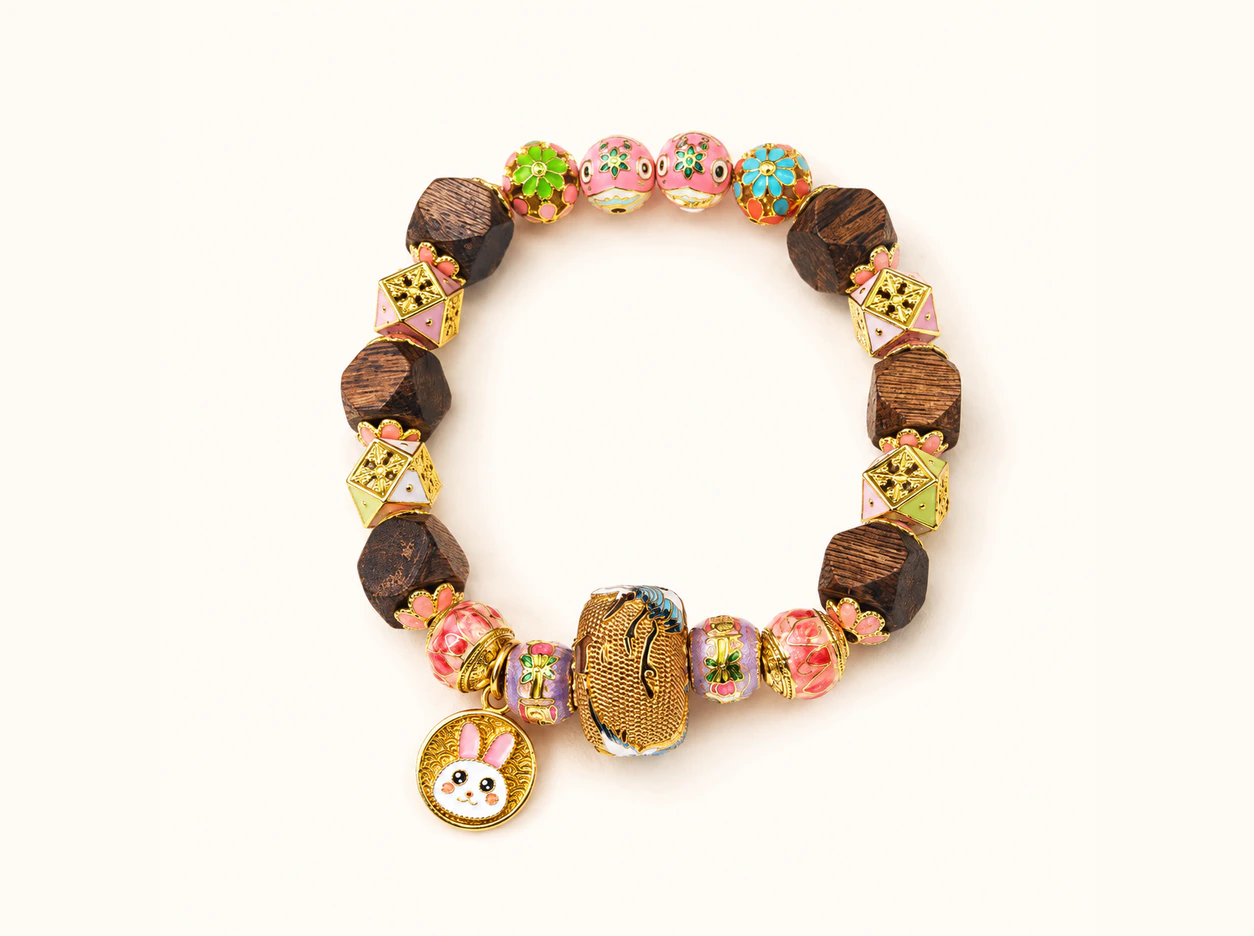
Choose for the life you have now
A new city, a changed relationship, a career pause, or a season between plans can make shopping feel strangely difficult. It is tempting to buy for an imagined future self: the wardrobe you might have, the rooms you might enter, or the person you think you should look like next.
Start closer to home. Look at what you already wear on an ordinary day. A useful piece should sit naturally beside a familiar watch, a soft knit, a white shirt, or the jacket you reach for without thinking. It can add intention without asking you to construct a new identity around it.
This is especially important during change. When the rest of life is moving, jewelry should not become another role to perform.
Let the meaning remain open
Some jewelry arrives with a finished explanation: achievement, permanence, belonging, arrival. Those meanings can be beautiful, but they may feel too certain when you are still between one chapter and the next.
An open-ended piece gives you more room. You may first wear it as a reminder that not knowing is not the same as being lost. Months later, it may hold a different association—the morning a decision became clear, the place that began to feel like home, or simply the version of yourself who kept moving without rushing the answer.
The object does not need to announce that story. It only needs enough character to keep gathering one.
Ask for material facts, not emotional promises
A meaningful name should never replace clear product information. Before you buy, check what the piece is made from, whether its form is fixed or adjustable, how sizing works, and what natural variation to expect.
Unmoored is a single-wrap bracelet priced at $388. It pairs Near-Sinking Grade Kynam Agarwood with copper-base low-temperature enamel. The design is fixed, while the buyer selects a wrist circumference for fit. Because wood is a natural material, its grain, color, and scent vary from piece to piece.
Those details matter because they separate a private emotional response from a vague sales claim. You can be moved by an object and still know exactly what you are choosing.
Make sure the care fits an unsettled routine
A transition may involve different rooms, longer days, temporary storage, or less predictable habits. Fine jewelry should be cared for, but its care should remain possible in real life.
Keep the bracelet away from water, perfumes, and chemicals. Remove it before sleeping, exercising, or bathing, and wipe it gently with a soft, dry cloth after wear. Store it away from hard objects, prolonged direct sunlight, and high temperatures.
Before ordering, measure the wrist rather than guessing from another bracelet. A piece feels more settled when its fit and care have been considered from the beginning.
Use the unfinished-chapter test
Before choosing jewelry during a period of change, ask four questions:
- Does it work with the clothes I already own?
- Can its meaning change without making the piece feel outdated?
- Are the materials, sizing, price, and care clearly stated?
- Would I still want to wear it on a day when I have nothing to prove?
If the answers are yes, the piece does not need to predict where you are going. It can simply accompany you while you find out.